Water Cooler Dog Bowl . Each carbon filter lasts for 30 days and is replaceable. Not all freezable bowls are created equal. Automatic Refilling Pet Water Dispenser Holds Up to a Gallon of Water from www.walmart.com These bowls will help keep the water much cooler than steel or plastic. Cat feeding & watering supplies; Slopper stopper dripless water bowl.
Ballast Water Exchange Dilution Method. In a precautionary approach and dealing with the coming international maritime organization (imo) regulations on ballast water, petrobras developed a new method for ballast water exchange in tankers. Technology advantages currently, ballast water exchange is viewed as the.
Ballast Water Management System AMARINE from amarineblog.com
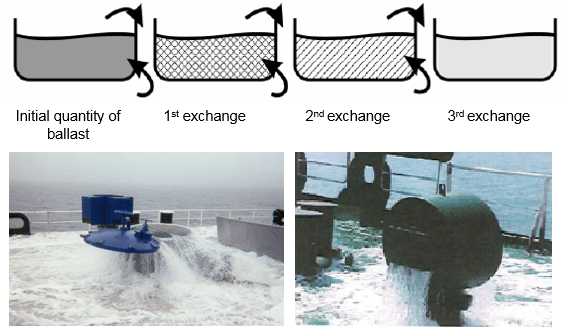
All methods of ballast water exchange and treatment have advantages and disadvantages, and associated. Ballast water exchange sequential method there are two main types of ballast water exchange: Dilution method is a process by which replacement ballast water is filled through the top of the ballast tank intended for the carriage of ballast water with simultaneous discharge from bottom at same flow rate and maintaining a constant level in the tank throughout the ballast exchange operation to achieve at least 95% percent volumetric exchange of ballast water.
Dilution Method Is A Process By Which Replacement Ballast Water Is Filled Through The Top Of The Ballast Tank Intended For The Carriage Of Ballast Water With Simultaneous Discharge From Bottom At Same Flow Rate And Maintaining A Constant Level In The Tank Throughout The Ballast Exchange Operation To Achieve At Least 95% Percent Volumetric Exchange Of Ballast Water.
Marine technology and sname news (1) conference. The dilution method is a process by which replacement ballast water is filled through the top of the ballast tank intended for the carriage of ballast water with simultaneous discharge from the bottom at the same flow rate and maintaining a constant level in the tank throughout the ballast exchange operation. Sequential and flow through.1 sequential ballast water exchange involves completely emptying segregated ballast tanks (individually or in sequence).
In A Precautionary Approach And Dealing With The Coming International Maritime Organization (Imo) Regulations On Ballast Water, Petrobras Developed A New Method For Ballast Water Exchange In Tankers.
All methods of ballast water exchange and treatment have advantages and disadvantages, and associated. Sequential, flow through or dilution method. In this method water in pumped into the tank and to allow it to overflow through the air vent.
Technology Advantages Currently, Ballast Water Exchange Is Viewed As The.
The ballast water management method or methods selected for a particular ship is the owner’s responsibility. Ballast water exchange sequential method there are two main types of ballast water exchange: Department of energy office of scientific and technical information.
Efficiency Is To Be Of At Least 95 % Volumetric Exchange.
In this method the ballast tanks are emptied until the ballast pumps lose suction and then the tanks are. There are three different methods of ballast water exchange: Differently from ordinary methods petrobras' method which have been called brazilian dilution method (bdm) involves ballast loading through the top.
In A Precautionary Approach And Dealing With The Coming International Maritime Organization (Imo) Regulations On Ballast Water, Petrobras Developed A New Method For Ballast Water Exchange In Tankers.
Earlier than january, 2016 (5) to. Differently from ordinary methods petrobras' method which have been called brazilian dilution method (bdm) involves ballast loading through the top. 16th world petroleum congress (1)
Comments
Post a Comment